

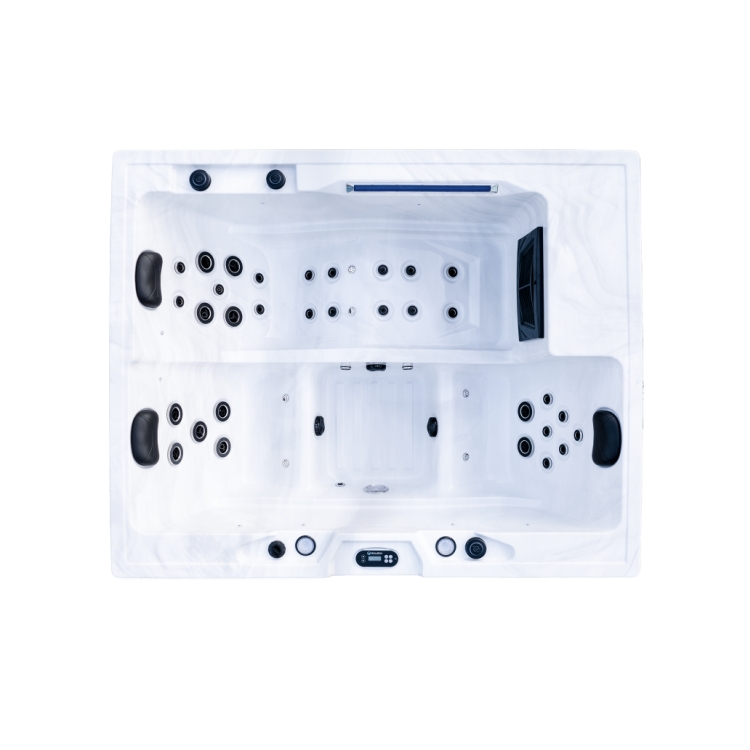
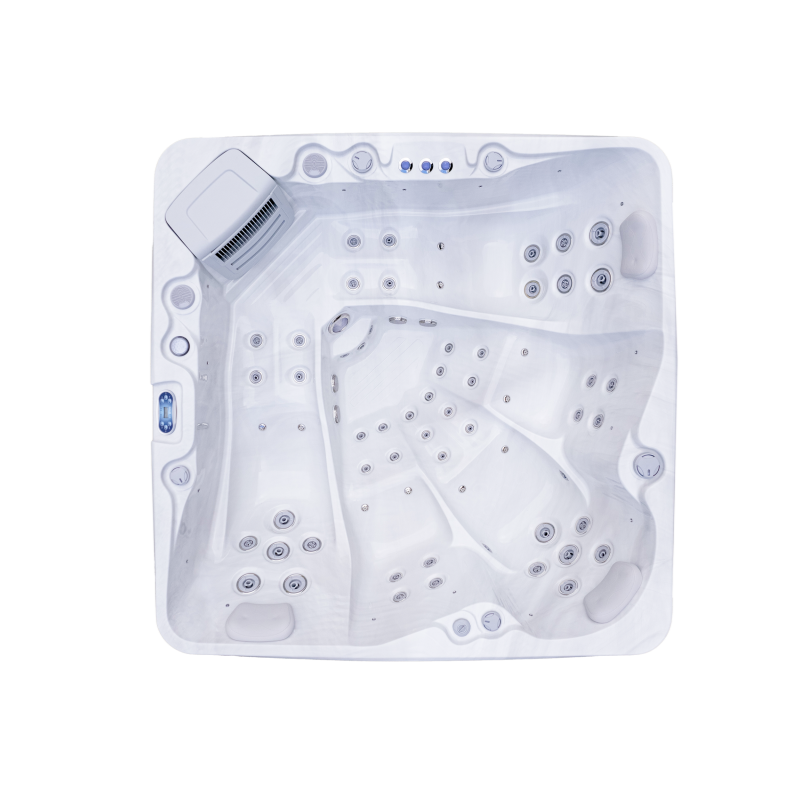
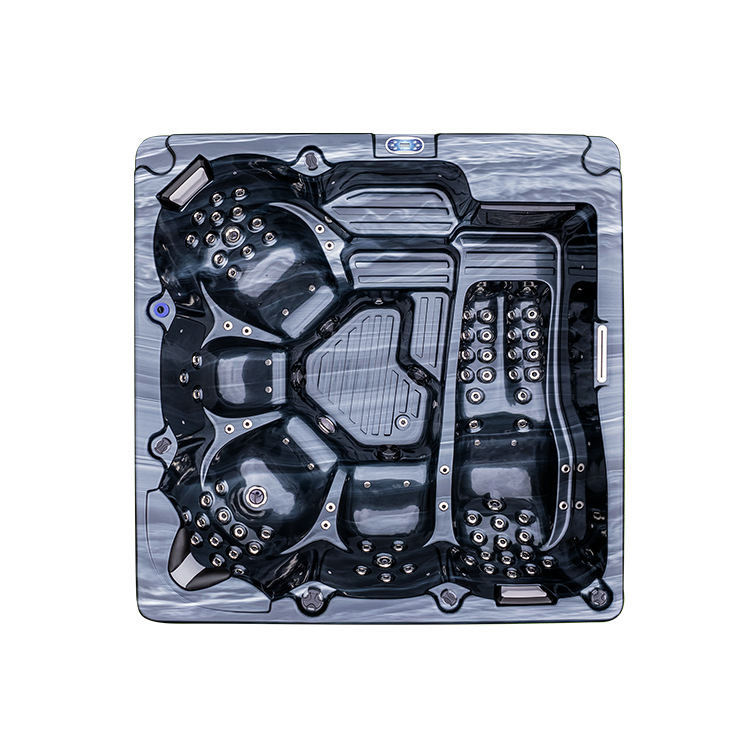
• Stäng av strömmen och kontrollera dräneringskanalerna före tömning;• Välj självdränering, en intern pump eller en extern pump beroende på utrustningen;• Töm i omgångar för att förhindra blockeringar och var uppmärksam på driftssäkerheten;
• Rengör rören, filterpatronerna och innerväggarna noggrant efter tömning;
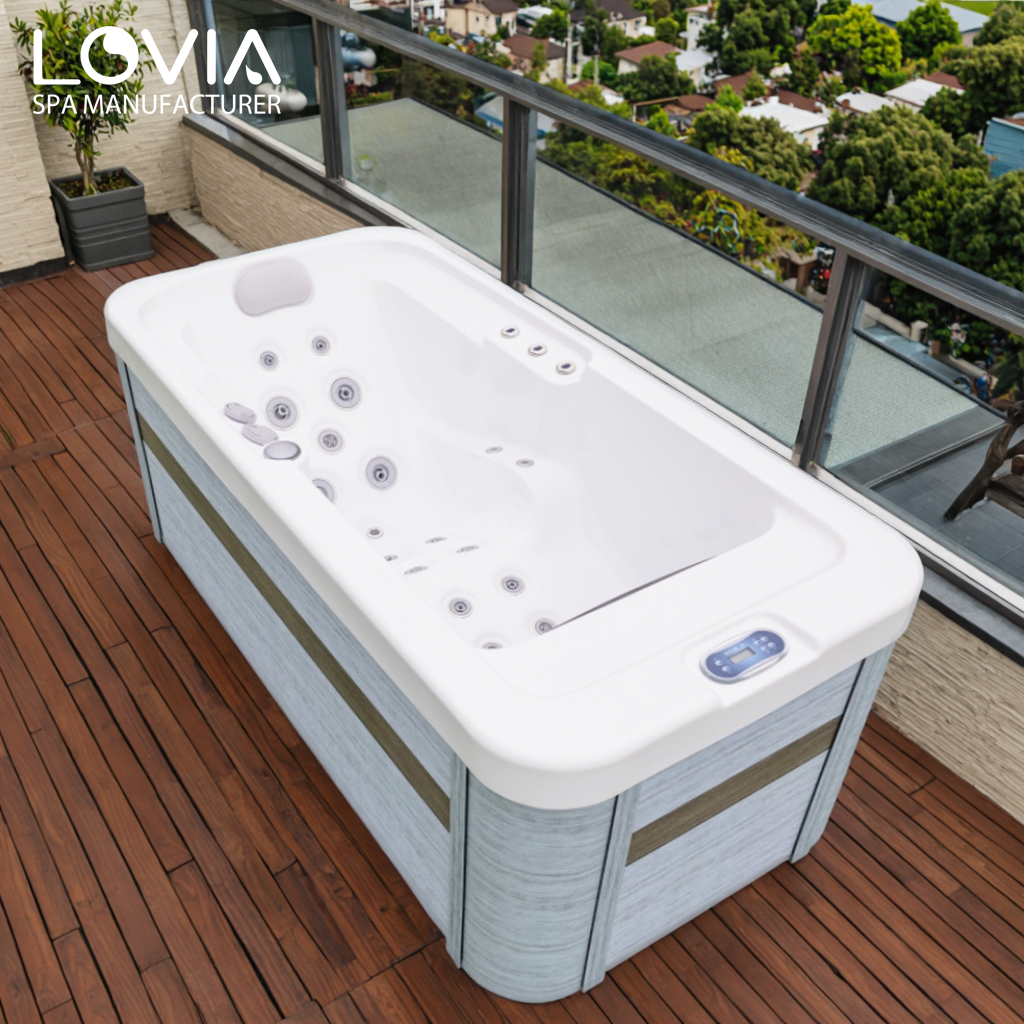
• Testa vattenkvaliteten och justera de kemiska parametrarna innan du tillsätter nytt vatten;
• Regelbunden dränering och underhåll förlänger livslängden på ditt spabad.
Korrekt dränering är ett avgörande och oumbärligt steg i underhållet av ett spabad, och det är nyckeln till att säkerställa en bekväm och säker användarupplevelse varje gång.
Water accumulated over time can contain sebum, sweat, skincare product residue, and microorganisms. If not drained promptly, disinfectant effectiveness will decrease, and the water will easily become cloudy and develop an odor.
2. Extending Equipment Lifespan
Heats, pumps, nozzles, and pipes may be corroded by minerals, metal ions, or chemicals in the water during long-term water circulation. Regularly draining and replacing the water reduces corrosion and extends the lifespan of the swim spa tub.
3. Facilitates thorough cleaning and maintenance
Draining the water allows for a thorough cleaning of the swim spa tub's inner walls, nozzles, pipes, and filters, preventing the long-term accumulation of deposits, algae, or biofilm.
4. Controls water chemical balance
Prolonged use may lead to imbalances in pH, alkalinity, and hardness. Draining and refilling resets the water quality, ensuring the effective action of disinfectants.
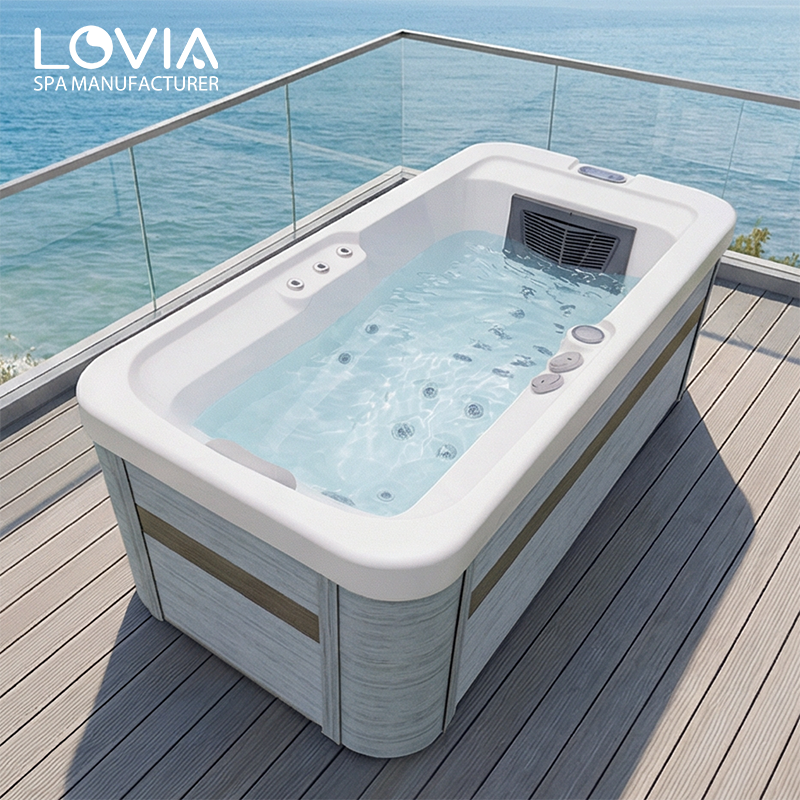
What preparations are needed before draining the swim spa tub?
Preparations before draining directly affect operational safety and drainage efficiency.
1. Confirm water source and drainage pipes
Before draining, ensure there are suitable drainage pipes or a suitable location near the swim spa tub to prevent water overflow or damage to the floor.
2. Turn off power and equipment
To avoid electrical short circuits or accidents, the main power supply and heater of the spa tub must be turned off, especially the pump, jet system, and lighting system.
3. Check the drain valve and drain hose
Check if the swim spa tub is equipped with a drain valve or a built-in drain pump;
If using a hose for drainage, ensure the hose is long enough and securely connected to prevent leaks or backflow.
4. Wear necessary tools and protective gear
Gloves can prevent skin irritation from chemical residues;
A bucket, sponge, or mop can help clean up residual water;
The hose should be made of wear-resistant and corrosion-resistant materials to ensure long-term safety.
What are the drainage methods for swim spa tubs?
Depending on the equipment design and usage conditions, swim spa tubs mainly have the following drainage methods:
1. Gravity drainage
This is the most common method. Water flows out naturally under gravity by opening the swim spa tub's drain valve or bottom drain outlet.
• Advantages: Simple operation, no external power required;
• Disadvantages: Slower speed, may require tilting or the use of a suction tool.
2. Built-in drain pump
Some high-end swim spa tubs are equipped with a built-in drain pump, which can quickly drain water.
• Advantages: Highly efficient and quick, suitable for large-capacity bathtubs;
• Disadvantages: Dependent on power supply; the jet system and heater must be turned off before draining.
3. External Water Pump or Submersible Pump
If the bathtub does not have a built-in pump, an external submersible pump or drain pump can be used to drain the water to the sewer or garden via a hose.
• Advantages: Suitable for outdoor use or situations without a fixed drain outlet;
• Note: The pump's power must match the water volume, otherwise drainage efficiency will be low.
4. Tilt Drainage and Assisted Pumping
For smaller-capacity or home outdoor swim spa tubs, a slight tilt or the use of a bucket can assist in draining the water in batches.
• Advantages: No electrical appliances required;
• Disadvantages: Time-consuming and labor-intensive, suitable for small spa bathtubs.

What are the safety and operational precautions during drainage?
1. Ensure the power is disconnected
• Never operate the pump or spa system while it is powered on during drainage to prevent electric shock.
2. Prevent Ground Damage
• Use a waterproof cloth or mop to collect overflow water;
• Outdoor drainage should ensure it does not wash away soil or damage the lawn.
3. Avoid Backflow
• Loose hose connections or unstable drain outlets can cause water backflow or splashing, affecting ground safety.
4. Drain in Batches to Prevent Clogs
• Bathtubs often have grit, impurities, or sediment at the bottom. Direct high-flow drainage may clog the pipes. It is recommended to pump out some water first, then completely drain the tub.
5. Thoroughly Clean After Draining
• After draining the water, use a sponge or soft brush to scrub the inner walls, showerhead, and filter area to ensure that sediment, algae, or grease residue is completely removed.
How to Dispose of Residual Water and Piping After Draining a Swim Spa Tub?
1. Piping Flushing
Flush the circulation pipes with clean water to ensure that sediment, chemical residue, or microorganisms are completely removed to prevent secondary contamination.
2. Filter Cartridge Cleaning or Replacement
After draining, remove the filter cartridge and rinse it with clean water or replace it with a new one to ensure clean water for the next refill.
3. Equipment Drying
Keep the bathtub open after draining to allow for air circulation and drying of components, preventing mold or odors.
4. Check Drain and Valve
Ensure the drain, hose connections, and drain valve are clean, unblocked, and leak-free, preparing for the next use.
How to Prevent Secondary Water Contamination During Draining?
• Remove large particles before draining: Use a net or filter to remove hair, leaves, or sediment.
• Keep drain pipes and hoses clean: Prevent residual impurities from contaminating the sewer or flowing back into the bathtub.
• Drain to a safe area: When draining outdoors, avoid water flowing into flower beds or lawns to prevent soil contamination.
• Prevent secondary contamination of the water pump: Use a clean, dedicated drain pump and thoroughly rinse the pump after draining.
How to Refill the Spa Bathtub with Fresh Water After Draining?
After draining the bathtub, before refilling with new water, please follow these steps:
• Inspect the bathtub walls and showerhead: Ensure cleaning is complete and there are no deposits, mold, or odors.
• Test and adjust the source water quality: If the tap water is hard, soften it first; test the pH and alkalinity to ensure water balance.
• Fill the tub slowly to avoid overflow: When using a hose or pump, gradually add water and activate a gentle circulation to ensure even water distribution.
• Adjust chemical parameters: Immediately after filling, adjust the pH, alkalinity, and disinfectant concentration to ensure the water meets safety standards.
• Circulate the system: After filling, allow the circulation system to run for 15–30 minutes to ensure the water is evenly mixed and passes through the filter.

Draining Frequency and Maintenance Recommendations
• Low-frequency household use: Drain every 3–4 months.
• High-frequency use or shared by multiple people: Monthly drainage is recommended.
• Important maintenance: It is best to drain the tub each time you replace the filter, add chemicals, or perform internal cleaning.
By scientifically and regularly draining and maintaining the water in your swim spa tub, you can keep the water clear and comfortable to the touch, while also extending the equipment's lifespan.
How to drain the water from your swim spa tub?
Draining water from your swim spa tub may seem simple, but it involves equipment safety, water quality balance, and proper operation. A proper drainage method not only ensures clean water and prevents equipment corrosion but also provides the best experience for the next use.
Key Points:
• Turn off the power and check the drainage channels before draining;
• Choose gravity drainage, an internal pump, or an external pump depending on the equipment;
• Drain in batches to prevent blockages, and pay attention to operational safety;
• Thoroughly clean the pipes, filter cartridges, and inner walls after draining;
• Test the water quality and adjust chemical parameters before adding new water;
• Regular drainage and maintenance extend the life of your swim spa tub.
Proper drainage is a crucial and indispensable step in swim spa tub maintenance, and it is key to ensuring a comfortable and safe user experience every time.
